
How to Choose the Right Hay for Your Livestock: Expert Tips
Understanding Your Livestock's Nutritional Needs
Choosing the right hay for your livestock begins with understanding their specific nutritional needs. Different animals require different nutrients, and even within a species, these needs can vary based on age, workload, and health conditions. For instance, dairy cows require hay with higher protein content compared to beef cattle.
It's essential to know the nutritional content of the hay you're considering. Most hay types fall into two categories: legumes and grasses. Legumes, such as alfalfa, are rich in protein and calcium, while grasses like timothy grass provide more fiber and energy.
Types of Hay: Legumes vs. Grasses
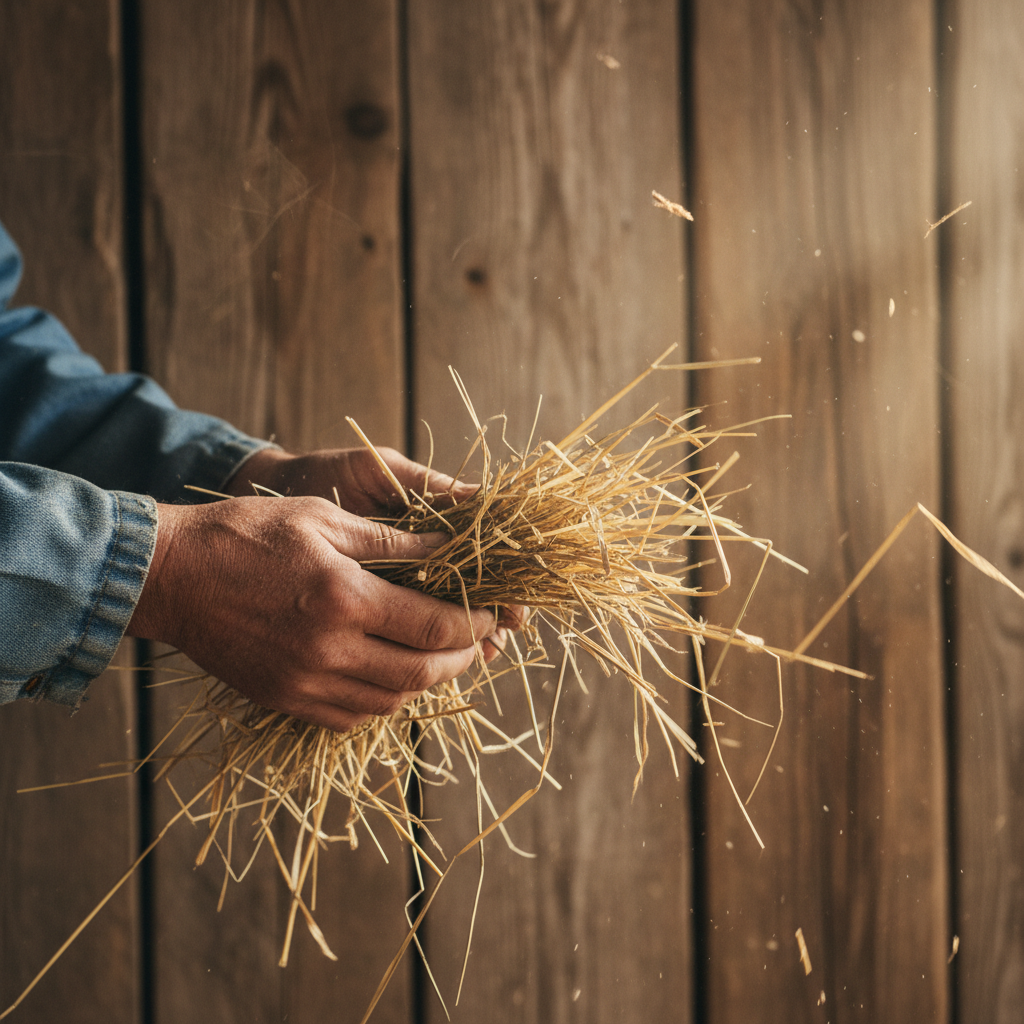
Legume hay includes alfalfa and clover, which are excellent for young, growing, or lactating animals due to their high protein content. On the other hand, grass hay like orchardgrass and timothy is suitable for mature animals that require less protein. Grass hay generally offers a more balanced diet with lower energy levels.
Consider the maturity of the hay at harvest as well. Younger plants have higher nutritional value, while older plants are more fibrous. Testing hay samples for nutrient content can provide valuable insight into what you're feeding your livestock.
Quality Indicators of Good Hay
When selecting hay, quality is crucial. Look for hay that is green and leafy rather than brown or stemmy. The presence of leaves indicates higher nutritional content. Avoid hay with mold, dust, or weeds, as these can harm your livestock.
Smell is another important quality indicator. Good hay should have a fresh, clean smell. A musty odor can indicate the presence of mold or spoilage. Always check for signs of contamination, such as foreign objects or toxic plants.
Storage and Handling
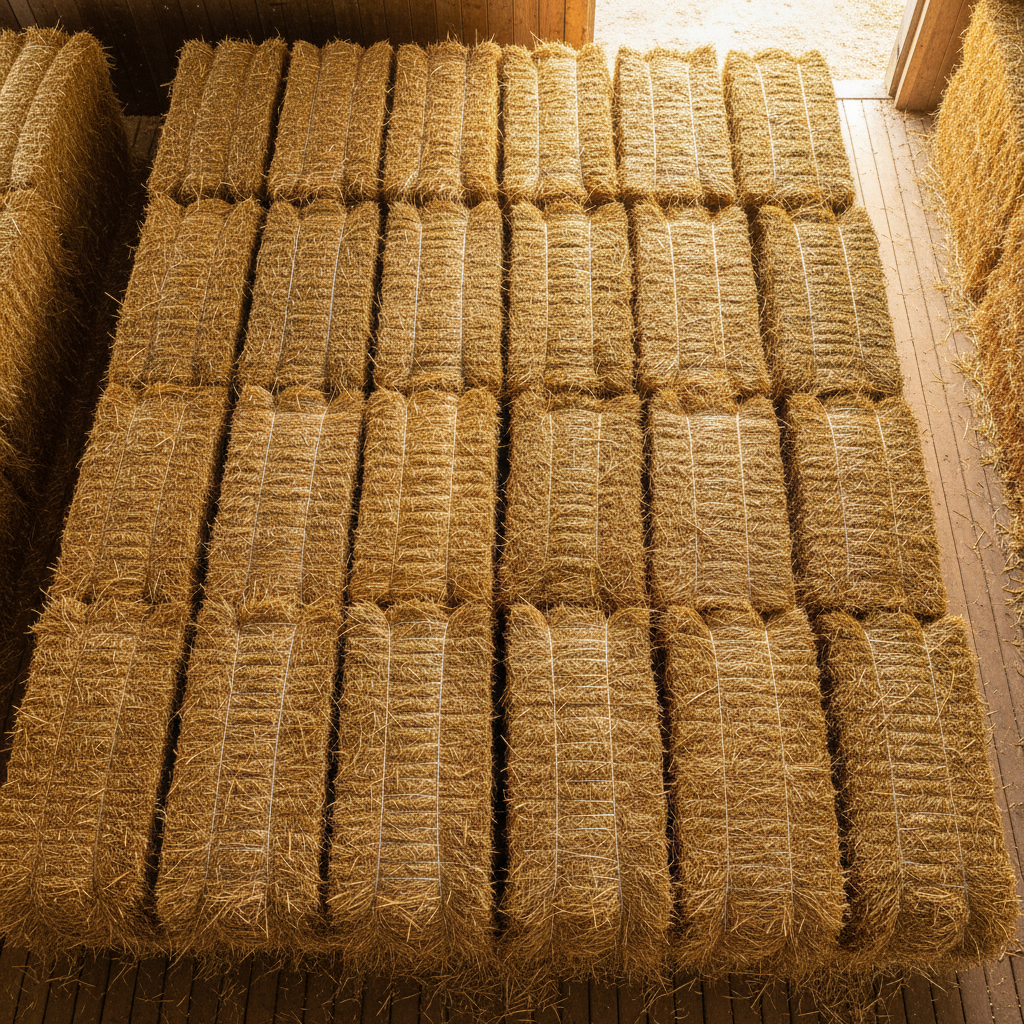
Proper storage and handling are vital to maintaining hay quality. Store hay in a dry, well-ventilated area to prevent mold growth. Stacking bales off the ground and using tarps can protect them from moisture.
Avoid over-handling hay, as this can lead to leaf shatter and nutrient loss. Rotate your stock to use older hay first, ensuring that it doesn't spoil while in storage.
Cost vs. Quality Considerations
While it's tempting to choose hay based on price, consider cost versus quality. Cheaper hay may lack essential nutrients, leading to additional feed costs or health issues. Investing in higher-quality hay can result in healthier livestock and improved productivity.
It's also crucial to form a relationship with a reliable hay supplier. This ensures consistent quality and allows you to discuss specific needs or concerns.
Conclusion
Choosing the right hay for your livestock is a balance of understanding nutritional needs, assessing hay quality, and ensuring proper storage. By following these expert tips, you can make informed decisions that will support the health and productivity of your animals. Prioritize quality and build strong relationships with suppliers to ensure the best outcomes for your livestock.