
Preparing Your Land for Hay Season: Tips from Double Six Ranch
As the hay season approaches, it's essential to prepare your land adequately to ensure a bountiful harvest. At Double Six Ranch, we have years of experience in optimizing land for hay production. Here are some expert tips to get you started.
Soil Testing and Preparation
Before you begin any planting, conducting a soil test is crucial. This will help you understand the nutrient composition and pH level of your soil. Based on the results, you can determine the necessary amendments such as lime or fertilizers.
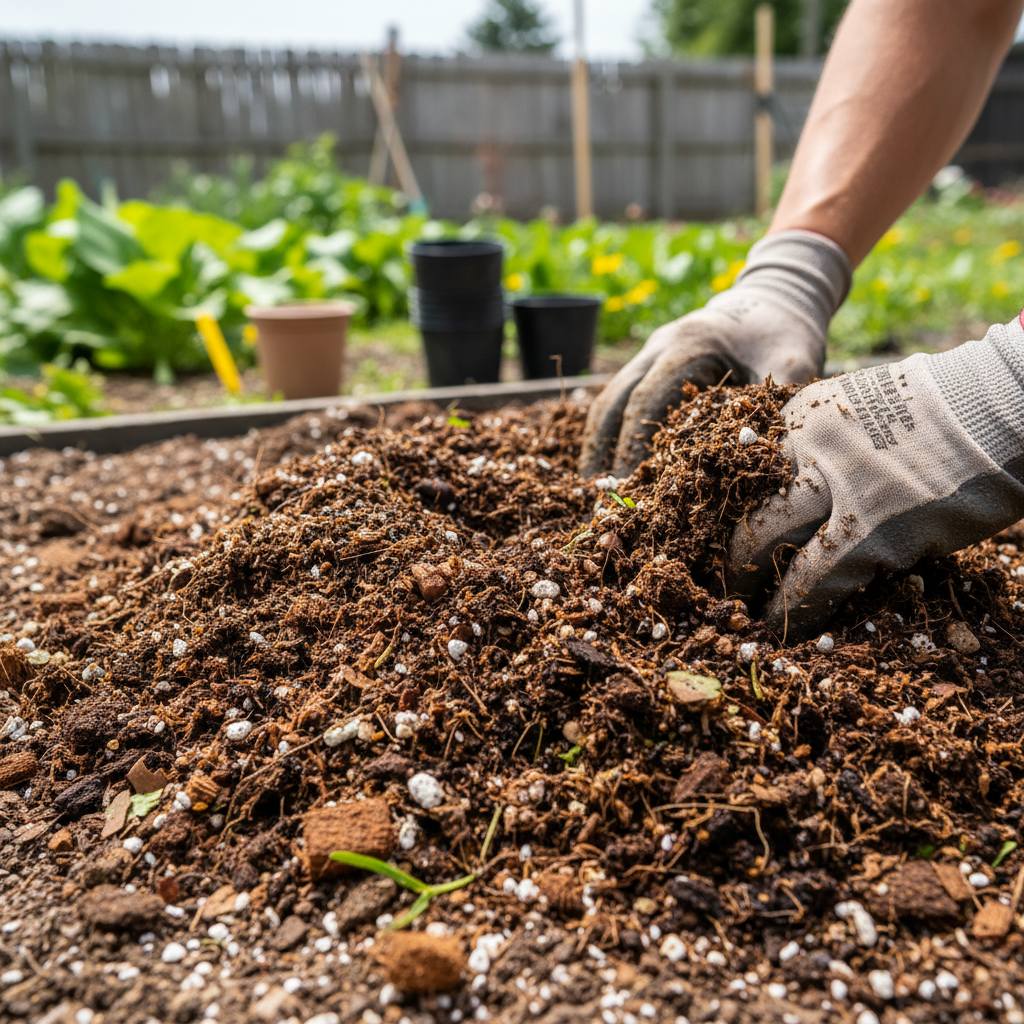
Once you have the results, it's time to prepare the soil. Plowing helps to break up compacted soil, allowing for better root penetration and water absorption. Make sure to remove any rocks or debris that could interfere with planting.
Choosing the Right Seed
Selecting the appropriate grass or legume species is vital for a successful hay crop. Consider factors like climate, soil type, and the nutritional needs of the livestock you'll be feeding. Popular choices include alfalfa, timothy, and orchardgrass.
Once you've chosen your seed, ensure it's of high quality and sourced from a reputable supplier. This will increase the likelihood of a healthy and productive stand.
Planting Techniques
Timing is key when it comes to planting your hay crop. Early spring or late summer are typically the best times, depending on the type of grass or legume you choose. Ensure the seeds are planted at the correct depth and spacing to promote optimal growth.

Using a seed drill can enhance seed distribution and soil contact, leading to better germination rates. This method is often preferred over broadcasting, especially for larger fields.
Watering and Irrigation
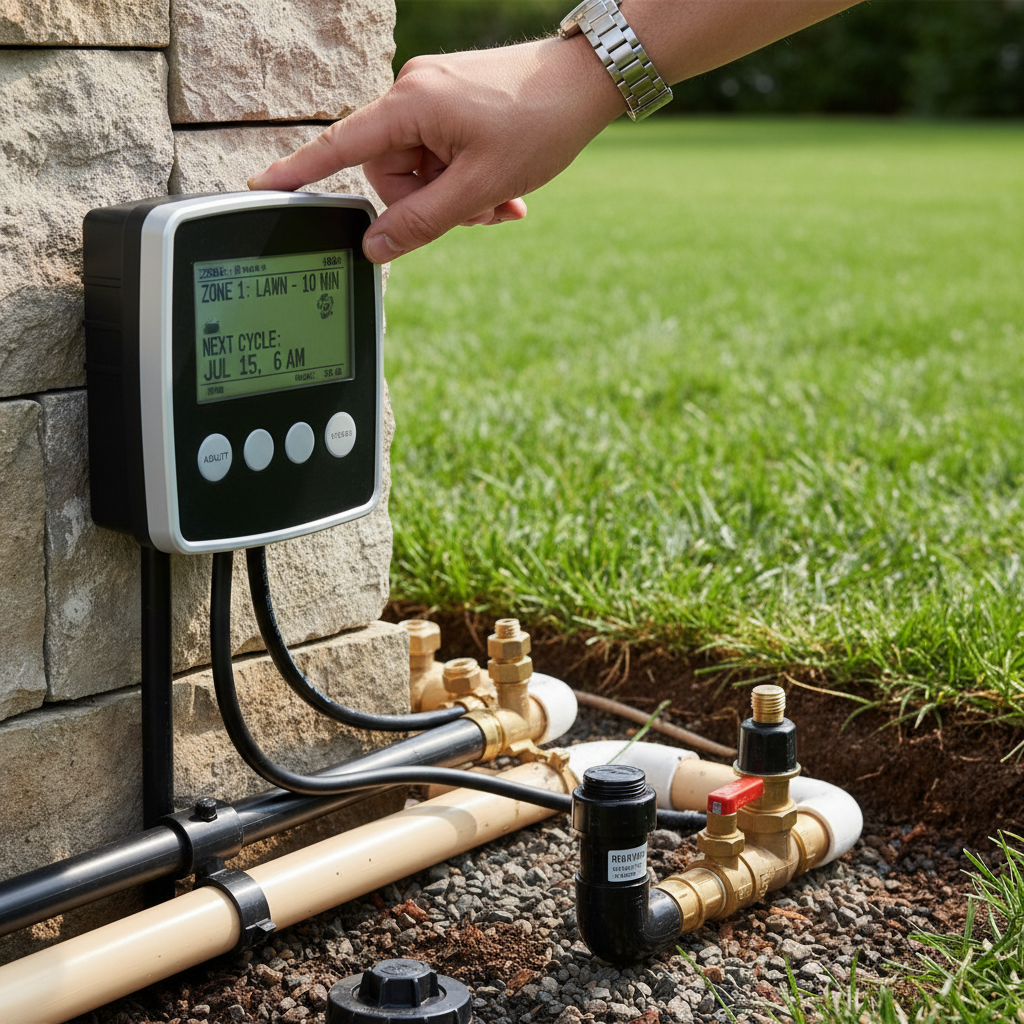
Consistent watering is crucial for young seedlings. If rainfall is insufficient, consider installing an irrigation system to ensure your crops receive adequate moisture. Drip or sprinkler systems can be effective options.
Monitor soil moisture levels regularly and adjust your irrigation schedule accordingly. Overwatering can be just as detrimental as underwatering, so finding the right balance is essential.
Weed and Pest Control
Weeds and pests can significantly impact the yield and quality of your hay. Implementing a regular monitoring and management plan can help keep these threats in check. Mechanical methods like mowing or tilling can be effective for weed control.
If pests become a problem, consider using integrated pest management (IPM) strategies. These may include biological controls or, if necessary, targeted use of pesticides.
Harvesting and Storage
Once your hay crop is ready, timely harvesting is crucial. The best time to cut hay is when the plants are in the early bloom stage, which ensures optimal nutritional value. Properly dry the hay to prevent mold and spoilage.
After harvesting, store your hay in a dry, sheltered area to protect it from the elements. This will preserve its quality and ensure it remains a valuable resource for your livestock throughout the year.

By following these tips from Double Six Ranch, you'll be well on your way to a successful hay season. Happy farming!